An external industry case study edited by PickPaket. The campaign concerns Swisse and its activity partners; PickPaket did not run the campaign or carry out its collection, recycling or reward delivery.
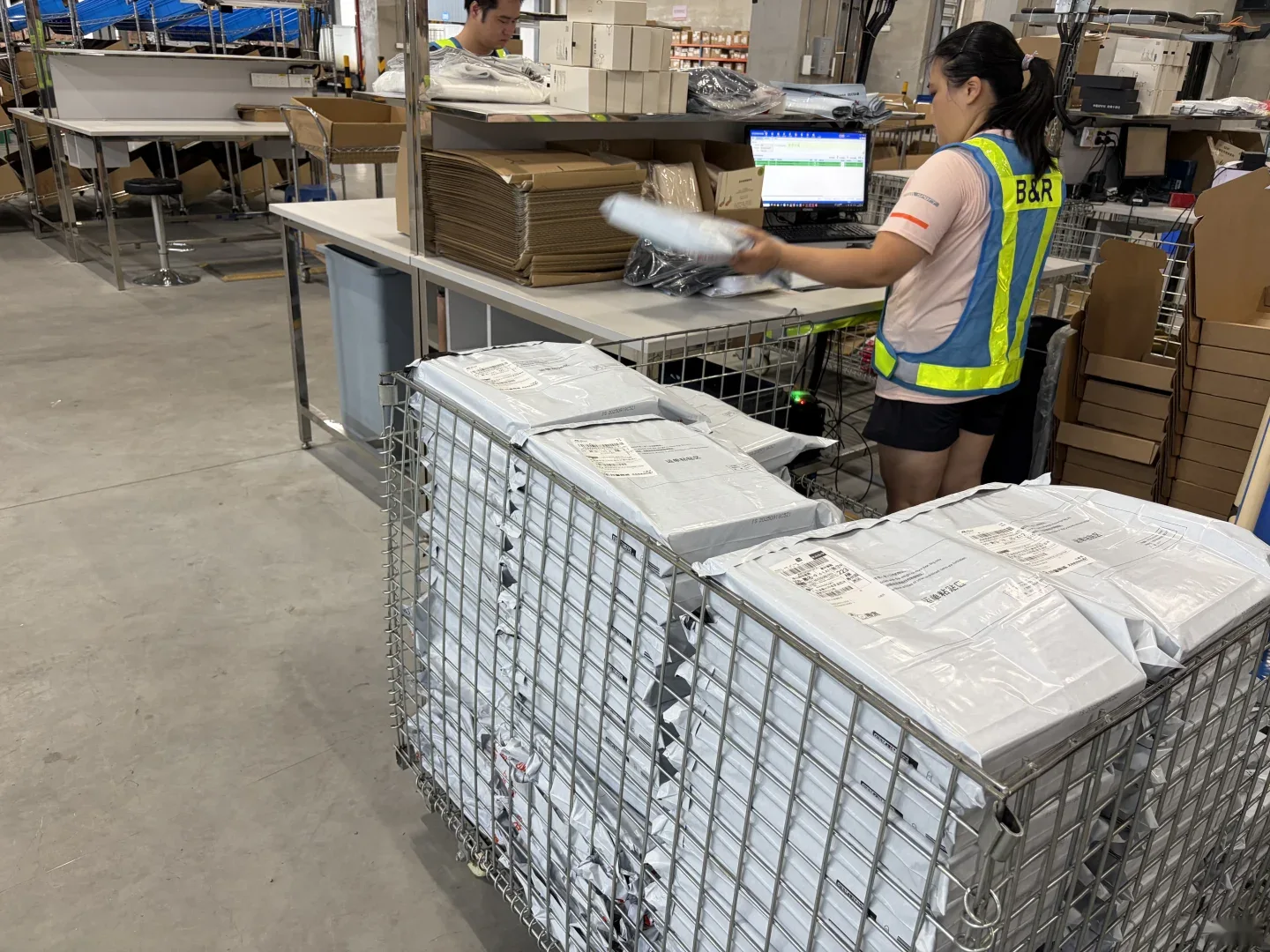
Parcel-handling reference photograph from the authorised 1688 Overseas UK gallery, not a Swisse event or a PickPaket customer shipment. The source identifies it as a retouched photograph; its supplied image versions are reused without further editing.
The question: how to reconnect after the product is used
Once a consumer has finished a product, an empty container can provide a reason for another brand interaction. Swisse’s 2024 campaign, known in Chinese as ‘自然健康不躺瓶’, linked bottle collection with environmental education and mystery-box rewards. The published campaign account describes online and offline participation rather than a conventional goods-return or refund process.
Reverse collection meets forward reward distribution
The campaign offered an online H5 page for booking a collection visit, alongside participation at physical events. Returned empty bottles entered the recycling stream, while environmentally themed mystery boxes were offered as participation rewards. This connected a flow back from the consumer with a reward flowing towards the participant. The public account does not provide individual collection, recycling or delivery records, so it cannot establish that a participant’s gift was made from the very bottles that person returned.
The Chongqing event: make handing bottles back interactive
On 6 July 2024, Swisse and Wanhe Pharmacy held an empty-bottle collection event at Chongqing Raffles City. The activity included a mystery-box redemption wall, environmental knowledge games and a themed photo area. Published reporting also describes social sharing and engagement around the event. Handing bottles back therefore became one part of a wider participation experience, with opportunities to redeem a reward, join activities and share the experience.
The marketing mechanism: another reason to remember the brand
As an analysis of the campaign design, mystery boxes add anticipation, collection gives consumers a reason to participate, and fulfilment makes the promised reward tangible. The intended association becomes specific: after using a product, its packaging can be returned and linked to another brand experience. This explains a route towards brand recall and repeat participation; it is not evidence of a measured improvement in either.
What was implemented and what remains a marketing objective
The published accounts support that the campaign and its bottle-collection, mystery-box redemption and interactive activities took place. They do not establish an attributable increase in purchases, repeat buying or brand awareness. Those outcomes would require participation history, brand-recall research and subsequent purchase data. For a brand planning a similar operation, the practical issue is to connect the collection entry point, receipt confirmation, reward eligibility and fulfilment arrangements, so consumers receive clear information at each handover.
Discuss receiving and forwarding requirements
Back to Blog