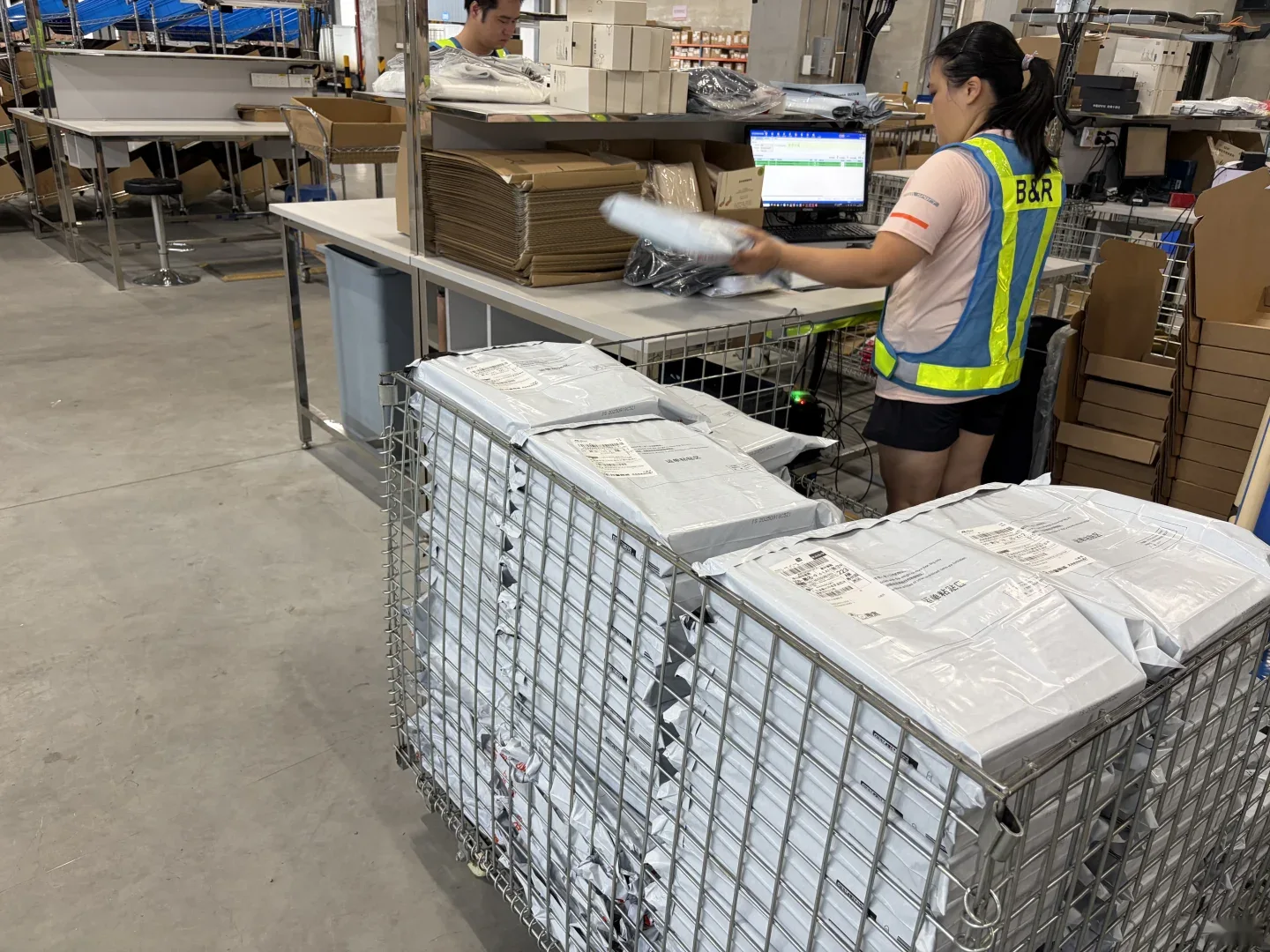
An observation is evidence within an agreed scope. It is not an automatic decision to restock, refund or dispose of goods.
Start with the item and the instruction
Keep the merchant or project reference, original return reference, SKU or serial and the version of your instructions together. A photograph without an item reference may show a problem, but it does not reliably identify which stock needs action. For partial arrivals, record each receipt against the original batch.
Define what “checked” means
Specify packaging, visible condition, accessories and any agreed functional test separately. State whether checks cover every item or a sample, and record the quantity actually inspected. A sample does not establish the condition of all uninspected items. If a functional test was not agreed or could not be performed, the report should say so.
Separate the return reason from the observation
A customer may describe an item as faulty or damaged. Preserve that explanation as the reported reason. Record warehouse findings separately, together with the relevant photos or measurements. This lets your team distinguish an original statement from an observed condition.
Connect the findings to your approval
Use agreed condition criteria to decide what should happen next. Record the approver, affected items, quantities, additional work and cost approval. Repacking and restocking can apply to the same item, so action counts must not be added as though they were different goods. Storage, repair assessment and disposal each need their own agreed scope.
Before you authorise the work
- Which SKU, serial or batch does each finding belong to?
- How many items were checked and which aspects were excluded?
- Are photo references linked to the actual observations?
- Who approves the next action, quantities and additional costs?