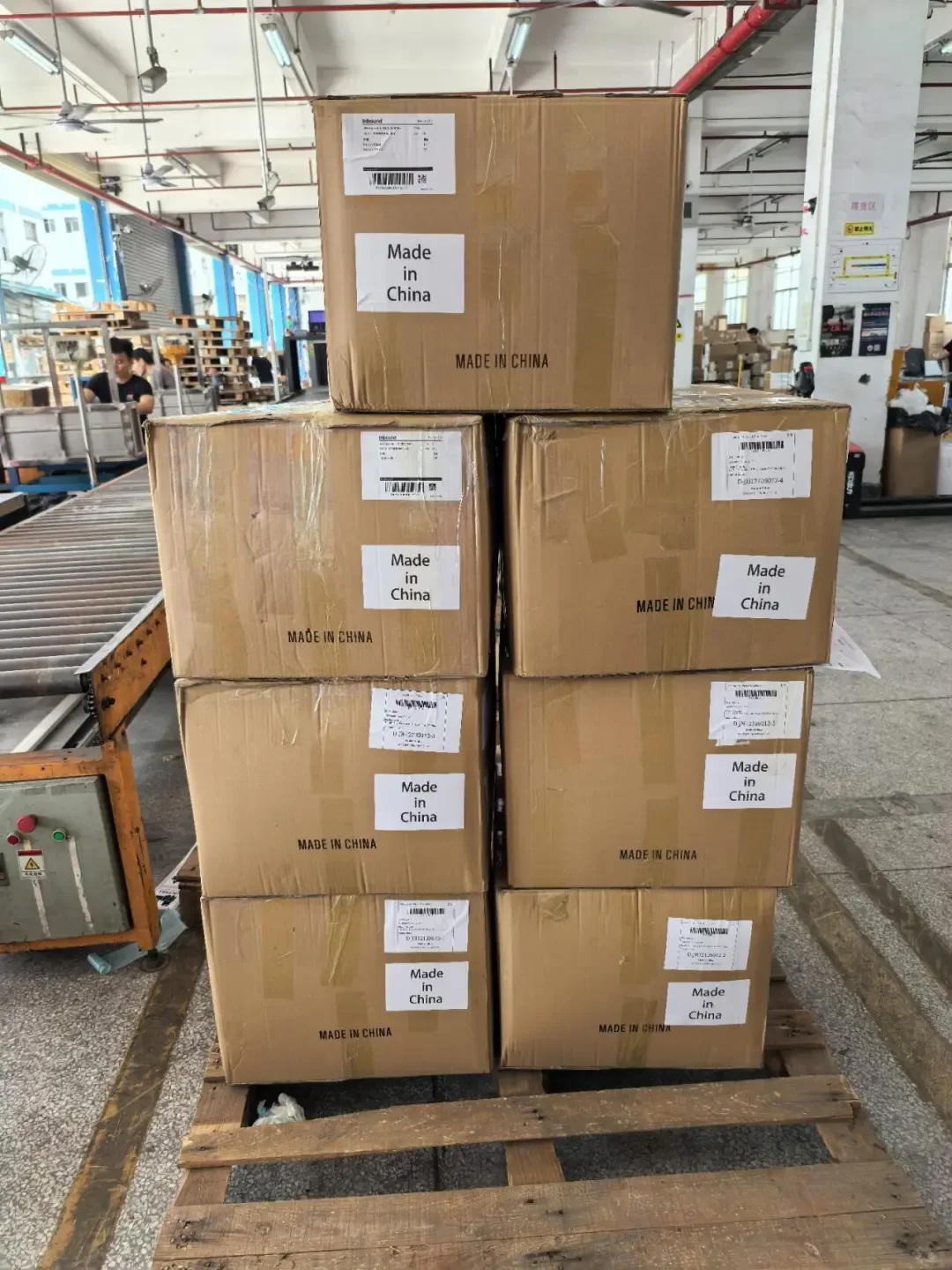
Compare costs per completed outcome with the same goods, lane and work scope.
Fix the unit before comparing prices
A platform may charge per return request, a warehouse per parcel or item, and a carrier per shipment. One return request can produce several parcels, and one consolidated carton can contain items from several requests. Set out the expected monthly requests, parcels, items and onward cartons separately. Describe the countries and goods mix. Without those quantities, two apparently similar quotations can price different work.
Build the cost from its components
Use a cost model covering allocated software and setup, return transport, receiving, inspection, storage, packaging and onward transport. Add known exception work and applicable minimum charges. Confirm the currency, billing unit, tax treatment and validity period of each quotation. An unquoted component remains unknown; treating it as zero makes the cheaper proposal appear more complete than the evidence supports.
Price the same inspection instructions
A parcel count, an external visual check and a functional test require different work. State the number of items to be checked, sampling rules, photo requirements and report fields. Ask what happens when an item cannot be identified or a test cannot be completed. The quote should distinguish the included observation from additional work requiring authorisation. Compare reports of the same depth before comparing inspection rates.
Evaluate consolidation after all charges
Combining returns can reduce the number of onward shipments, but the result depends on handling, packaging, storage duration and chargeable weight. Compare individual dispatch with a defined consolidation schedule using the same destination and quantities. Ask for packed dimensions as well as physical weight. Keep customs and duty questions with the appropriate carrier or adviser; a consolidation service alone does not establish tax relief or a particular customs outcome.
Use a clearly labelled calculation
Illustrative arithmetic, not a PickPaket quotation: if individual onward transport totals €120, consolidated transport is €70 and extra handling, packing and storage total €25, the difference is €25. If those extra charges rise to €55, consolidation costs €5 more. Replace every input with a dated project quotation before making a decision. The example demonstrates sensitivity to scope and waiting time; it makes no claim about an available shipping rate.
Keep recovery value separate from fees
A returned item’s potential resale value is not the same as retained checkout revenue. An exchange may incur another shipment, a credit may remain unused and inspected stock may still require work before resale. Track the cost of the return separately from the value actually recovered. For a pilot, record cost per completed batch, unresolved items and time awaiting instructions, then choose a schedule that fits both stock availability and cost.
SERVICE ENQUIRIES
- Specify requests, parcels, items and final cartons separately.
- Ask for included work, exclusions, minimums and storage terms.
- Use confirmed dimensions, destination and inspection instructions.
- Replace illustrative inputs with dated quotations before approval.