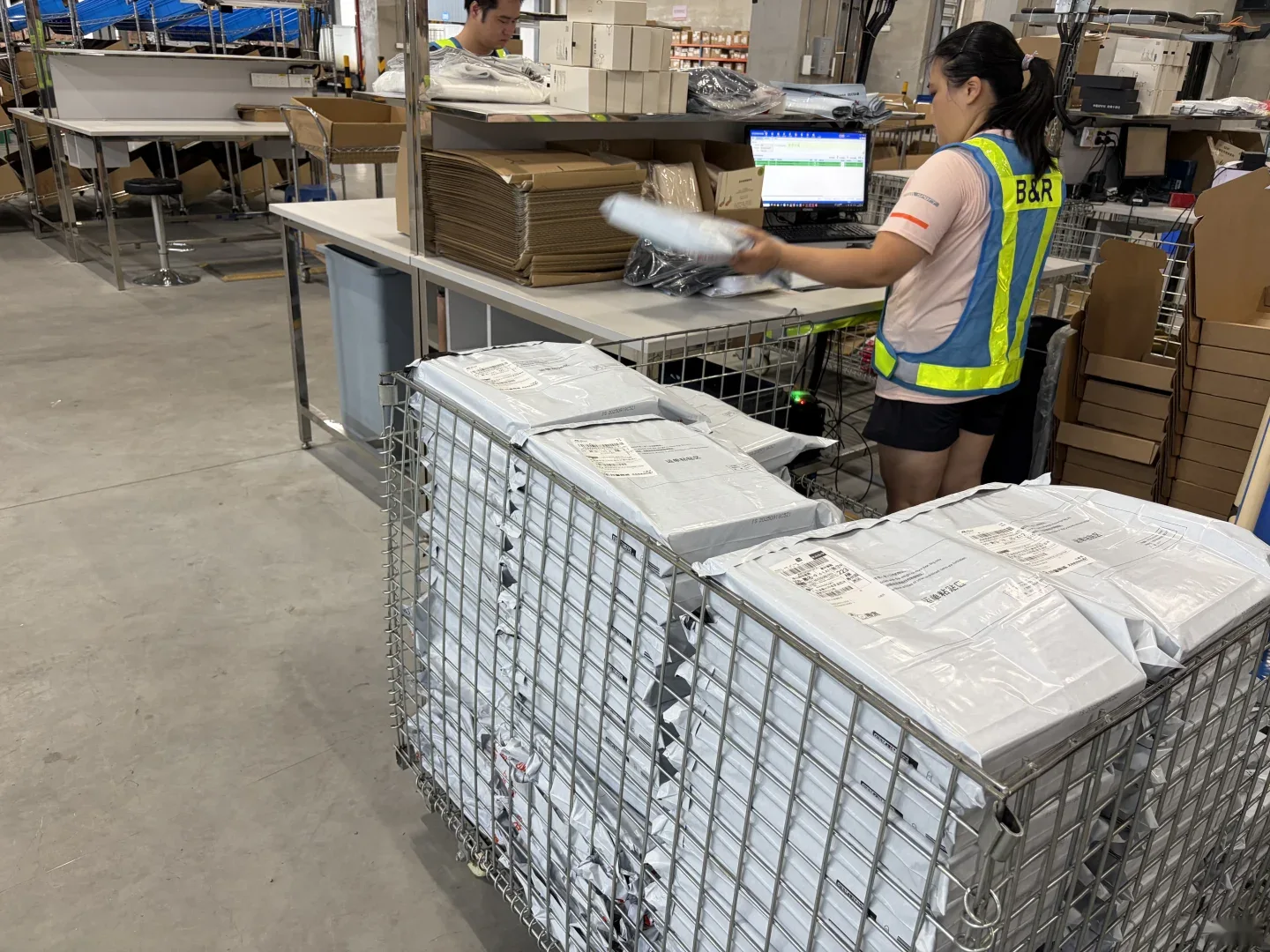
A reliable handover preserves the identity of the item and the meaning of every status.
Prepare an arrival record before dispatch
Send the merchant reference, original return reference, item identifiers, expected quantity and the approved receiving location together. Record the version of the instructions that applies to that batch. Confirm accepted goods and packaging before dispatch; a published network page is not an authorisation to send stock to an address. Use one stable return reference throughout the process so the warehouse can connect later parcels to the same original case.
Define each event in plain language
A carrier delivery scan records transport activity. Warehouse registration records the parcel against a project. An inspection record states which items were examined within a specified scope. Merchant approval authorises a subsequent action. Dispatch records the release of a new shipment. Give each event its own time and reference. If your platform uses a single “received” status, agree precisely which physical event supplies it and which actions may safely follow.
Keep quantity and condition separate
For a return expected to contain two items, the first parcel may contain only one. Record the actual quantity, the outstanding balance and whether the case remains open. For condition, state the observation, item reference and photo reference. An external visual check cannot establish the condition of an untested internal component. Agree whether work is sampled or item-by-item, what must be photographed and what remains unchecked.
Route exceptions to a named approver
Unknown items, damaged packaging and mismatched quantities need a holding decision and an owner. Ask how they will be segregated, reported and charged while awaiting instructions. Authorise the action and the affected items in writing. A warehouse finding alone does not decide the shopper’s refund, stock valuation or disposal. Keep the merchant’s commercial decision linked to the evidence used to make it.
Reconcile the final carton
When consolidating several returns, retain the relationship between the original item records and each final carton. Record packed weight, dimensions, destination and handover reference. Compare dispatched, remaining and unresolved quantities before closing a batch. If data is exchanged by file, agree the field names, identifier format and how revisions replace or supplement earlier records. A proposed API link must be validated before it is described as operational.
Test the handover with a sample batch
Include a partial arrival and one exception in the trial. Ask your team to trace a single item from the original return through inspection and approval into the final carton. If that requires guessing from photographs or email subjects, revise the references before expanding the programme. PickPaket can discuss receiving, inspection and consolidation requirements using the same record structure; availability and delivery format are confirmed per project.
SERVICE ENQUIRIES
- Confirm the receiving location and accepted goods.
- Agree event definitions, item identifiers and partial-arrival records.
- Name the approver for exceptions and additional work.
- Trace a trial item into its final carton before scaling.