Make Evri instructions specific to the booking
Evri’s retailer-return guide describes shop printing and printed labels for Locker or collection returns. Its general Locker guidance also describes printing at equipped Lockers. These pages cover different workflows, so a merchant should verify what the actual retailer booking and selected site support.
Tell the customer whether their code produces a label, where that happens and what must be attached before deposit. A shop code should not be presented as a universal Locker code. If the intended method is unavailable, have the label issuer approve a replacement and preserve the link to the original return request.
Separate Royal Mail account access and customer preparation
Royal Mail presents Tracked Returns as a business-account service with a returns portal and supported staffed label printing. Confirm the merchant’s access before offering that product to shoppers. Decide who approves requests, generates the transport reference and handles an unused or incorrect label.
For collection, follow the label arrangement selected in the booking. Royal Mail describes an explicit Bring my label option; a phone QR image is not an attached postage label. Give the customer one preparation message covering packaging, label responsibility and the collection address, rather than combining instructions from different return products.
Define the UK receiving handover before launch
Keep the return approval, tracking reference and hand-in evidence together. Ask customer service to distinguish an unaccepted parcel from one travelling through the network or already delivered. That makes the next enquiry specific: obtain handover evidence, investigate the transport reference, or check the receiving records.
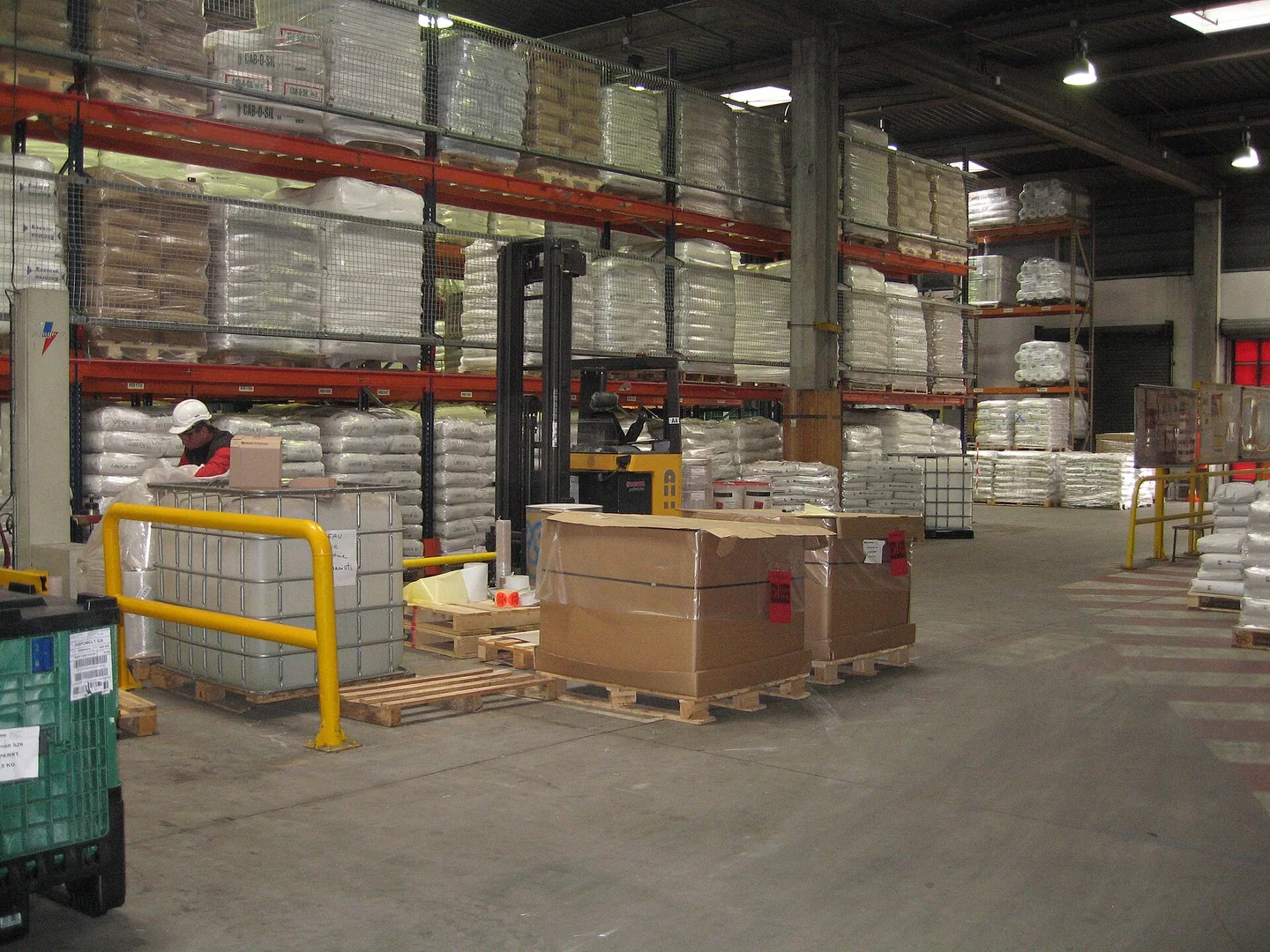
At the UK receiving point, reconcile parcel and order identifiers before recording item quantity and condition. Agree what happens to damaged packaging, unexpected contents or incomplete references. Inspection, restocking and consolidation need their own instructions. A later cross-border movement should use an approved release list and receiving destination instead of reusing the customer’s original return label.
Products for returns from United Kingdom
These products document the customer’s return origin. The receiving country, merchant account and exact hand-in method must also fit the route. Network coverage alone does not confirm a bookable return.

Evri Returns
- Receiving destination
- United Kingdom
- Documented methods
- Drop-off point · Locker / self-service · Home / mailbox collection · No home printer · Returns portal

Royal Mail Tracked Returns
- Receiving destination
- United Kingdom
- Documented methods
- Drop-off point · Home / mailbox collection · No home printer · Returns portal

DHL Retoure / Retoure International
- Receiving destination
- Germany
- Documented methods
- Drop-off point · Returns portal

ShopReturnService
- Receiving destination
- Domestic return · United Kingdom
- Documented methods
- Drop-off point
Domestic returns only · The cited UK and Swiss options are domestic only. Great Britain to Northern Ireland BT postcodes is excluded; country-network presence does not remove this restriction.
View the full productBefore you issue labels
- Confirm the customer origin and actual receiving address, keeping later onward transport as a separate movement.
- Check retailer approval, carrier account access and the exact hand-in and label arrangement before issuing instructions.
- Retain the return reference, acceptance evidence and actual receiving record as distinct events.
- Agree inspection evidence, exception decisions, stock release and who authorises the next shipment.
Local return questions
Does a QR code mean every Locker return is printerless?
Check the actual booking and selected location. Establish whether the code prints a shipping label there or belongs to a different hand-in process. If the customer’s instructions and location capabilities disagree, ask the label issuer to resolve them before deposit.
What should the merchant prepare before offering collection?
Identify the receiving address, packed parcel profile, booking owner and label responsibility. Give customer service a clear rebooking procedure and retain the booking reference. Confirm the chosen return product and postcode arrangements before the customer prepares a parcel.
Does a delivered return mean the goods can be refunded or restocked?
Reconcile the delivery reference with the actual receiving record and required item checks. The merchant’s authorised decision follows those records. Keep stock needing review identifiable, and approve any onward release separately from the customer-to-receiving transport.
Official material behind this guide
- Evri — How to return a parcel to a retailerReviewed · October 30, 2026
- Evri — Parcel returns serviceReviewed · October 30, 2026
- Evri — Send, return and collect with LockersReviewed · October 30, 2026
- Evri — How do I use a locker?Reviewed · October 30, 2026
- Royal Mail — Tracked ReturnsReviewed · October 30, 2026
- Royal Mail — Parcel CollectReviewed · October 30, 2026