An external industry case study edited by PickPaket. The project concerns Lands’ End and ZigZag; PickPaket did not carry out the work described.
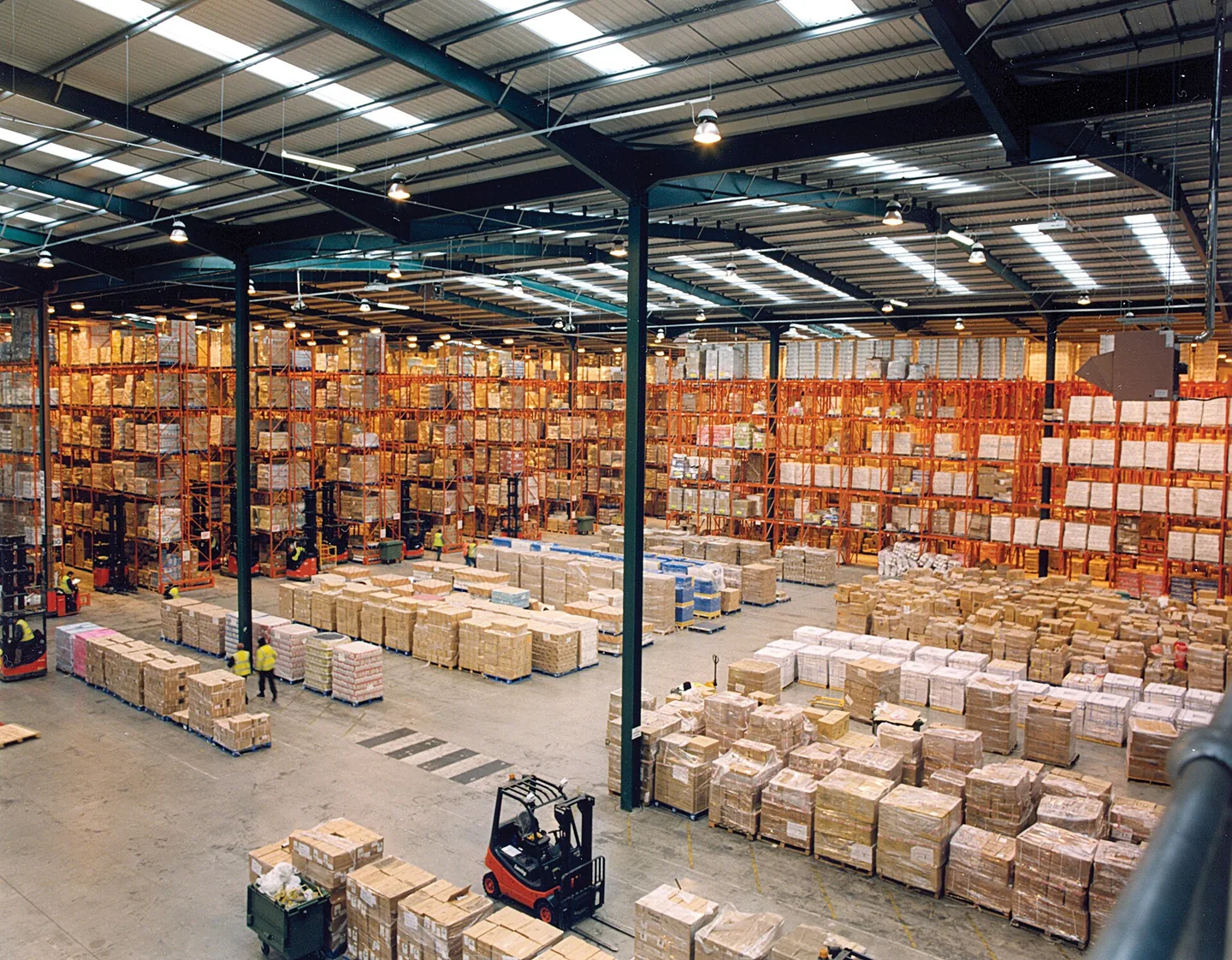
Industry reference photograph from the 1688 Overseas UK gallery. It does not show the Lands’ End or ZigZag project, or a PickPaket facility. The gallery’s responsive image is reused without further modification.
The obstacle: grading was delaying refunds
According to ZigZag’s published account, Lands’ End’s previous logistics provider served its outbound operation well, but was not a returns specialist. Item grading was holding up customer refunds and contributing to increased customer-service enquiries. Lands’ End wanted returned goods assessed in Europe before they travelled back to the UK. Returns had previously relied on the paper slip included in the original parcel.
The change: connect return registration with warehouse checks
The project introduced a retailer-branded online returns portal collecting customer and product information, return reasons and carrier details. This gave the warehouse advance information about expected arrivals and parcel contents. ZigZag’s German warehouse then processed the physical returns, checking the quality and condition of individual items and recording findings through its digital grading module.
Use condition records to support the next handover
The validation process helped Lands’ End identify differences between an authorised return and the goods actually received. Grading also supported consolidated returns and planning for the destination warehouse. In this operation, information about item condition connected the incoming return with subsequent stock handling and transport decisions.
The confirmed outcome and its limits
The published account describes grading as an operating process at ZigZag’s German warehouse for Lands’ End. Customer feedback reproduced in that account credits the grading capability with helping reorganise the operation, improve cost efficiency and maintain quick refunds. These are the provider’s account and attributed customer feedback. They do not establish a measured saving percentage, a specific reduction in refund days or a service guarantee for another project.
What this means for a seller’s own returns
The practical lesson is to keep return registration, findings about the physical goods and the authorised next step connected. For your own batch, share the receiving country, SKUs and expected quantities, required checks and intended onward destination with PickPaket. Confirm the handling scope and record format for your goods before dispatch.