PickPaket
Request a quote

COURIER PARTNER / EUROPE

European return logistics products

Plan customer return transport, warehouse receiving, inspection and consolidation as one controlled flow. Choose the product for each stage and define the records that support your next stock decision.

Sources checked · 29 October 2026

Plan the carrier journey and warehouse work as one return flow. Agree the destination, arrival record and handling instructions before the first label is issued.

Browse by country
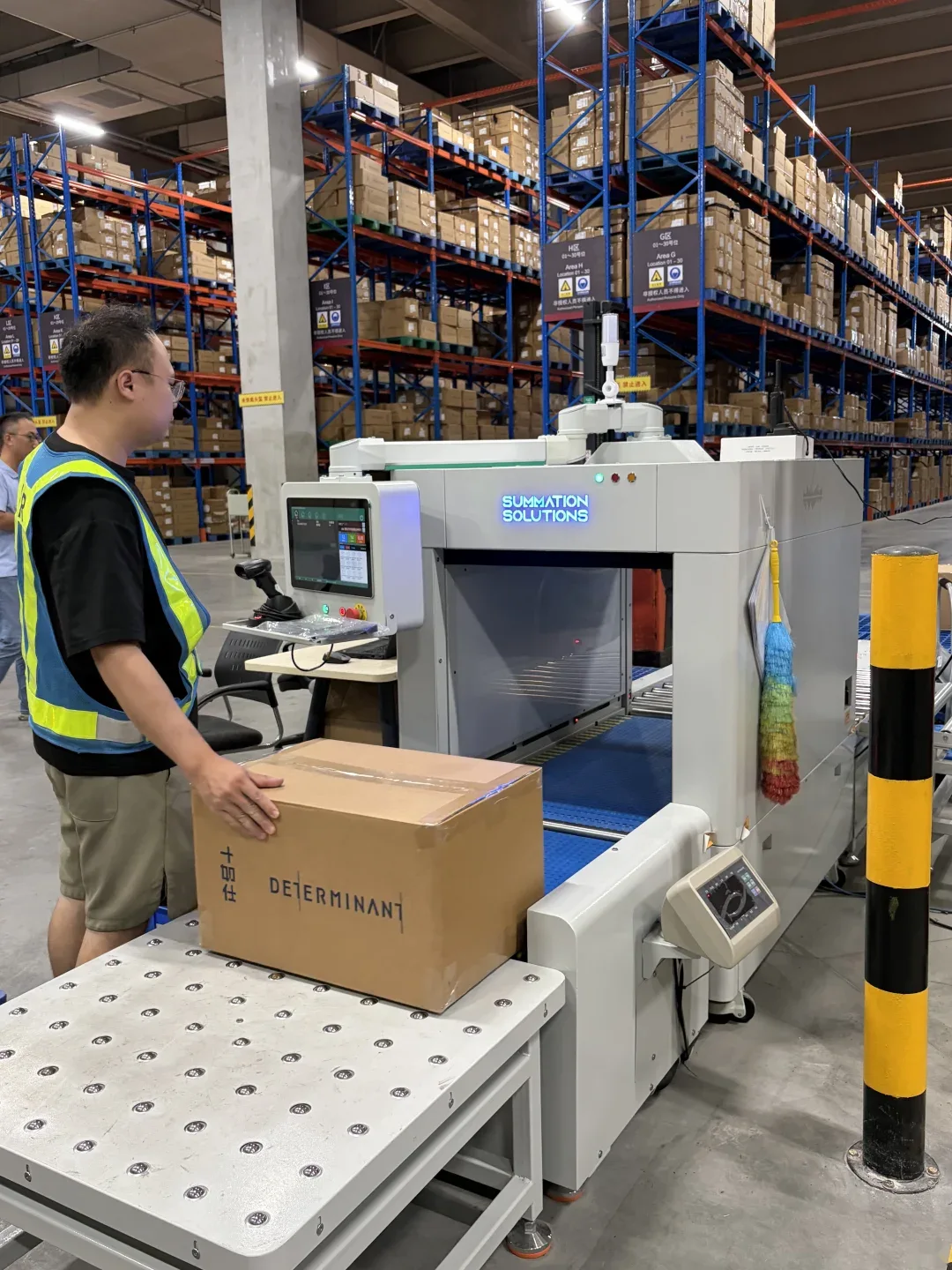
A carton being processed on a roller conveyor at a warehouse station
A carton being processed on a roller conveyor at a warehouse station1688 Overseas UK · Real-photo library · Retouched photograph

COURIER PARTNER

Plan the route before issuing return labels

Set the customer’s return origin, the country where the goods should be received and the hand-in method. This creates a shortlist from the documented product scope. A route review then confirms the postcodes, parcel profile, carrier account and receiving arrangements before booking.

Choose the return origin and intended receiving country to see a route shortlist.

Build the complete return flow

Choose the transport product and the physical handling work together. The right setup defines who authorises the return, where the parcel is received and what evidence supports the next stock decision.

01 / Customer hand-in

Local customer return parcels

A domestic return address gives customers a familiar hand-in journey. Choose the carrier product by customer location, parcel profile and the receiving address it can serve. Printed labels, shop QR codes and locker codes have different preparation requirements.

The seller approves the return and keeps the order linked to the transport reference. The customer packs and hands in through the permitted network. The output is a trackable parcel movement and hand-in evidence; item count and product condition are established during receiving and inspection.

View receiving countries

02 / Booked collection

Booked home, workplace or mailbox collection

Collection helps when the customer cannot use a nearby drop-off point or the merchant needs a controlled pickup process. Check the exact product: a home courier visit and collection from a mailbox use different access, size and label arrangements.

Set the pickup address, booking owner and parcel preparation instructions. Keep the booking reference and completed collection event. Agree who handles a failed visit or changes the appointment. For batch or oversized movements, request a separate transport assessment rather than assuming a consumer return label will cover them.

View receiving countries

03 / European routing

Cross-border return to an agreed hub

A cross-border product brings a customer parcel from its origin market to a specified receiving country. The route must support both ends. For the UK, Norway and Switzerland, confirm customs responsibilities and the documents needed for that movement.

Compare a direct cross-border return with local receiving followed by consolidation. Include the complete transport legs, relevant surcharges and any storage or processing work. Preserve each original return reference across network handovers so the receiving location can reconcile the arrival.

View receiving countries

04 / Receiving

Receiving and return reconciliation

Receiving turns an arriving parcel into a usable stock record. Define the expected references, what counts as a received unit and which parcel-condition details should be recorded. Unidentified or damaged arrivals need their own review path.

The agreed output can include arrival date, parcel reference, received quantities and discrepancies. A carrier delivery scan and a warehouse item count answer different questions. Decide how pending arrivals and mismatched references are reported before refund or stock decisions depend on them.

Receiving & storage

05 / Inspection

Inspection, grading and preparation

Inspection supports a decision about the returned goods. Specify appearance checks, accessory counts, photos and the grading rules that matter to your products. Functional tests or specialist checks require an agreed scope and suitable acceptance conditions.

Record findings separately from the merchant’s decision. The merchant can then authorise the applicable repacking, storage, restocking or onward movement. Goods awaiting instructions stay identifiable. Agree how inspection records are delivered and how a disputed finding is reviewed.

Product checks

06 / Consolidation

Consolidation and onward handover

Consolidation collects approved returns into a controlled outbound batch. It suits merchants who want fewer onward movements while retaining the link between each original return and the released goods. Receiving and any inspection happen before release.

Reconcile the stock list, packing units and approved destination. Record which references enter each carton or other agreed unit. Confirm packaging, release authority and onward transport separately. The handover record should show what left, where it is going and which items remain pending.

Combined shipping

Local return guides

Read the local hand-in instructions, carrier differences and evidence to keep before choosing a return product. These guides explain the customer journey and the handover to receiving.

Find return carriers by country

Choose the return origin country. Results show documented local services and cross-border options. Confirm the receiving country, account and parcel conditions with the carrier before issuing a label.

Method tags show documented options. They depend on the selected country, merchant setup and hand-in channel; an absent tag does not mean a service is unavailable.

Carrier directory · 20

Compare your return options

0 of 3 products selected

Germany

Local service directory

DHL Paket
Local return service

DHL Paket

DHL Retoure / Retoure International

  • Drop-off point
  • No home printer
  • Returns portal

International returns to Germany through participating postal networks. Merchants can enclose labels or provide them through customer service, a booking link or web service. Confirm the origin country and receiving address. A German domestic mobile return QR code does not establish QR availability abroad.

More official service details
Hermes Germany
Local return service

Hermes Germany

Hermes Retoure

  • Drop-off point
  • Locker / self-service
  • Home / mailbox collection
  • No home printer

Hermes Germany accepts merchant-authorised returns with a printed return label or a mobile QR code. ParcelShop and Hermes Box options depend on the supplied instructions. Business customers can arrange return collections through the agreed service. Confirm who pays and retain the hand-in receipt; an outbound delivery by another carrier does not itself prevent an approved Hermes return.

More official service details

France

Local service directory

La Poste / Colissimo
Local return service

La Poste / Colissimo

Retour Online

  • Drop-off point
  • Home / mailbox collection
  • No home printer
  • Returns portal

Retour Online offers QR-based drop-off without customer printing, printed-label returns and eligible mailbox collection. International guidance directs customers to the local postal partner. Confirm product, address eligibility and integration: a French mailbox option is not a Europe-wide collection service.

More official service details
Mondial Relay
Local return service

Mondial Relay

Retours e-commerce

  • Drop-off point

The official return instructions require the customer to contact the seller first. Use the merchant-approved return method and network instructions; an outbound Mondial Relay delivery does not itself authorise a return. Confirm the destination and accepted Point Relais or locker before drop-off.

More official service details

United Kingdom

Local service directory

Evri
Local return service

Evri

Evri Returns

  • Drop-off point
  • Locker / self-service
  • Home / mailbox collection
  • No home printer
  • Returns portal

UK retailer returns may use ParcelShop, Locker or booked collection when offered. A supported ParcelShop can print from the supplied code. Evri’s retailer-return and general Locker instructions describe different label workflows, including on-site printing for supported bookings. Confirm the retailer, chosen location and issued code before telling a customer where a label will be printed.

More official service details
Royal Mail
Local return service

Royal Mail

Royal Mail Tracked Returns

  • Drop-off point
  • Home / mailbox collection
  • No home printer
  • Returns portal

Tracked Returns gives UK merchants tracking and an online label portal. Labels to Go supports printing at participating Post Office branches or Royal Mail customer service points; Parcel Collect provides a collection option. For an already supplied return label, follow the collection instructions and affix the required postage label: a QR code alone is not an attached shipping label.

More official service details

Spain

Local service directory

Correos
Local return service

Correos

Paq Retorno

  • Drop-off point
  • Returns portal

A Spanish reverse-parcel option with merchant-generated labels and post-office drop-off instructions. The returns portal can require a seller-issued identifier. Confirm Paq Retorno versus other return products, account access, permitted parcels and the receiving address; do not assume cross-border eligibility.

More official service details
SEUR
Local return service

SEUR

Devoluciones e-commerce

  • Drop-off point
  • Home / mailbox collection
  • Returns portal

The Spanish e-commerce return journey offers return hand-in at a SEUR Pickup shop or collection at home or work. The seller’s return process supplies the required instructions and references. Confirm the actual booking, accepted goods and receiving address. This Spanish offer does not establish that every SEUR or Geopost country supports the same return service.

More official service details

Portugal

Local service directory

CTT
Local return service

CTT

Devolução Fácil / Easy Return

  • Drop-off point
  • Locker / self-service
  • No home printer
  • Returns portal

In Portugal, Devolução Fácil lets customers start a return online and hand in a packed parcel at a CTT shop, point or eligible Locky locker using the return code. The platform distinguishes customer-paid and merchant-funded arrangements. The merchant-funded Easy Return option requires the relevant CTT contract. Confirm seller participation, payment and parcel eligibility before drop-off.

More official service details

Netherlands

Local service directory

DPD
Local return service

DPD

Shop Return / Collection request

  • Drop-off point
  • Home / mailbox collection
  • No home printer
  • Returns portal

The Dutch offer combines parcel-point returns, labels in the box or on demand, digital QR labels and collection requests. With the digital option, a participating point prints the label. International options vary by origin: confirm both the return lane and whether drop-off or collection is enabled.

More official service details
PostNL
Local return service

PostNL

Internationale retouren

  • Drop-off point
  • Locker / self-service
  • No home printer
  • Returns portal

International returns use local drop-off networks, with label management and tracking through a returns platform. The offer can include branded portals and receipt individually or in consolidation. Pricing depends on origin, parcel type and selected options; customs charges may arise for non-EU flows.

More official service details

Belgium

Local service directory

bpost
Local return service

bpost

bpack Easy Retour

  • Drop-off point

bpost describes merchant-provided return labels and customer-arranged return shipping. Its business FAQ limits Easy Retour for parcels abroad to deliveries within the EU. Confirm the applicable return product and billing arrangement; do not treat the Belgian domestic process as a universal international offer.

More official service details

Italy

Local service directory

GLS
Local return service

GLS

ShopReturnService

  • Drop-off point
  • No home printer
  • Returns portal

The Italian service supports domestic and cross-border returns through GLS Points and a customisable returns portal. Customers manage the request through the portal. Check the specific origin and destination, participating drop-off points and available label format before publishing instructions. The portal offers a printed PDF label or a QR code at the GLS Point. The cited offer limits UK and Swiss participation to domestic shipments. The cited UK option excludes shipments from Great Britain to BT postcodes in Northern Ireland.

More official service details
Poste Italiane
Local return service

Poste Italiane

Poste Delivery Business · Reverse

  • Drop-off point
  • Home / mailbox collection
  • Returns portal

Reverse is a paid option of Poste Delivery Business. Domestic customers can use home collection, post offices or eligible Punto Poste locations. International returns use the foreign postal operator’s post office under the relevant offer. Confirm the contract, waybill process and origin-country options.

More official service details
BRT
Local return service

BRT

Return My Parcel

  • Drop-off point
  • Locker / self-service
  • Returns portal

Return My Parcel is BRT’s configurable returns portal, with merchant branding and dashboards for return volumes and reasons. The offer highlights hand-in points and lockers and describes returns in Italy and Europe. Configure approval rules and customer instructions with BRT; validate each international origin and destination separately before offering it in your store.

More official service details

Poland

Local service directory

InPost
Local return service

InPost

Szybkie Zwroty

  • Locker / self-service
  • No home printer
  • Returns portal

Polish Fast Returns starts in InPost Mobile or SzybkieZwroty.pl, with a return code for locker drop-off under the participating shop’s process. Merchant participation and approval rules matter. This Polish product does not establish that every InPost country can return to every European warehouse.

More official service details

Austria

Local service directory

Österreichische Post
Local return service

Österreichische Post

Retourpaket / Retourenlabel Online

  • Drop-off point
  • Locker / self-service
  • No home printer
  • Returns portal

Austrian Post’s self-service return instructions distinguish an existing printed label, a merchant-issued QR code that prints a label at a self-service station, and a return paid for by the sender. Pack the goods first and keep the receipt. Online return-label products and any collection option must be activated separately under the relevant merchant arrangement.

More official service details

Sweden

Local service directory

PostNord
Local return service

PostNord

PostNord Return

  • Drop-off point
  • Locker / self-service
  • No home printer
  • Returns portal

The Swedish business offer, formerly Return Drop Off, supports returns with merchant-provided prepaid labels or QR codes. Assess it for Nordic customer returns, while confirming the actual origin, destination and available hand-in network. A collection product requires its own service confirmation.

More official service details

Finland

Local service directory

Posti
Local return service

Posti

Customer Returns / sending code

  • Drop-off point
  • Locker / self-service
  • No home printer

Posti’s Finnish sending-code service allows customers to return parcels through Posti lockers and service points without printing an address label. The short code identifies the shipment and generates its transport barcode. Confirm the merchant’s supported sending-code solution and return instructions. This Finnish service does not establish identical return functionality across SmartPosti’s Baltic markets.

More official service details

Norway

Local service directory

Bring
Local return service

Bring

Retur til bedrift

  • Drop-off point
  • Locker / self-service
  • Home / mailbox collection
  • No home printer
  • Returns portal

Norway’s Retur til bedrift is ordered through Mybring or EDI and returns parcels to the merchant’s address with tracking. Depending on the arrangement, customers use a postal shop, locker or booked mailbox pickup. The cited instructions exclude handwritten-code returns from postal shops and the customer’s mailbox; confirm the compatible locker and label process first.

More official service details
Logo sources and trademarks

Logos belong to their respective carriers and identify the services described. Each link below leads to the official source. Their display does not confirm a commercial partnership.

Choose the hand-in method your customers can complete

Choose the route and receiving address first, then design the customer’s hand-in instructions. Compare access, label preparation and the evidence you need at each step. The method must work for the customer’s country and the exact carrier product.

Staffed drop-off point

When it fits

A practical option when customers can reach a participating shop or counter during its opening hours. Staffed acceptance can provide a hand-in record, depending on the service. Check the eligible network before sending the customer out.

What to arrange

Issue the accepted label or code, explain packaging requirements and ask the customer to keep the hand-in receipt or acceptance confirmation.

Find a local carrier

Locker or self-service point

When it fits

Useful when customers need access beyond shop opening hours. The packed parcel must fit the permitted compartment and service limits. A locker used for deliveries may have different rules for sending returns.

What to arrange

Confirm the eligible locker network, booking or opening code and label requirements. Tell the customer how to record a completed deposit and what to do if no suitable compartment is available.

Find a local carrier

Booked collection

When it fits

Appropriate when reaching a drop-off point is difficult or returns need an agreed collection process. A home visit, workplace collection and mailbox collection have different access arrangements. Availability depends on the specific product and address.

What to arrange

Agree the booking owner, collection address, access instructions and parcel readiness. Explain who rebooks a failed visit and retain the collection reference until acceptance is recorded.

Find a local carrier

Return without a home printer

When it fits

Helpful when the customer cannot print a label at home. The service may use a shop-printed label, a network-specific QR code or another supported code. Each option has its own acceptance point and preparation rules.

What to arrange

Give the exact code with instructions for the accepted channel. Confirm whether a label must be attached before a locker deposit or collection; a shop QR code alone does not establish those options.

Find a local carrier

Returns portal

When it fits

Useful for collecting return reasons, approving requests and linking orders to labels or codes. A portal organises the return request; the selected carrier product determines where and how the customer hands in the parcel.

What to arrange

Define the approval rules, label issuer and customer message. Connect the portal reference to tracking and warehouse receipt, then set who decides on refunds and the next action for the goods.

Find a local carrier

Agree these points before the first live return

  • Confirm the actual customer origin, receiving address and any cross-border requirements.
  • Name the carrier account holder, label issuer and payer for transport and warehouse work.
  • Check packed weight, dimensions, contents and product-specific restrictions.
  • Test the exact label or code in the intended drop-off, locker or collection channel.
  • Link the order or RMA to transport and receipt records; assign exception, refund and release decisions.

Plan the response before a return goes off track

A label exists, but acceptance is missing

Check whether the customer actually handed in the parcel and ask for the receipt, collection reference or deposit confirmation. Confirm the code was used in the correct network. The account holder can then raise a carrier enquiry with the available evidence. Keep the return open until its physical status is established.

Tracking says delivered, but the warehouse cannot match it

Compare the delivery address, tracking reference and available delivery evidence with the receiving records. Check for partial arrivals, unreadable references or a parcel booked under another identifier. Record the parcel and item reconciliation separately. Ask the merchant for the missing order or RMA details before releasing unidentified goods.

The parcel is damaged or its contents do not match

Record the outer packaging, transport label and the condition of the goods before further handling changes the evidence. Keep unexpected contents linked to the return reference and request an authorised decision. The account holder checks the carrier’s enquiry or claim procedure; compensation and eligibility depend on the applicable terms.

The onward shipment cannot be handed over

Check the release list against the actual parcels, destination and booking requirements. Resolve missing documents, unsuitable packaging or a booking mismatch before trying again. Keep the affected goods identifiable and tell the merchant what prevents release. Rebooking, additional work and any storage implications should follow the agreed operating instructions.

This directory describes publicly documented carrier services. Listing does not confirm a commercial partnership, an active PickPaket carrier account or an available integration. Each route and receiving address must be agreed before labels are issued.

Choose the return journey before the carrier

Local return address

For a concentrated customer market, assess a domestic return service to an agreed local receiving address. Confirm that the address can receive the product and parcel format before adding it to your store.

Cross-border return to one hub

For several sales markets, check each origin → destination lane separately. A carrier’s outbound coverage does not establish its return coverage. Compare local drop-off access with the full cost of the return to your chosen hub.

Local receipt, then consolidation

For dispersed returns, assess local receipt followed by an approved consolidated movement. Confirm receiving, storage, inspection, export preparation and onward transport separately; consolidation is a second movement.

What to confirm before enabling a return route

  1. Origin postcode, destination country and the approved receiving address; include islands and remote areas in the check.
  2. Contract holder, who issues labels, who pays freight, return approval rules and the actual integration or manual process.
  3. Printed label, QR or label-free process; eligible drop-off points, lockers or collection, including packaging and parcel limits.
  4. Goods category, batteries, liquids and other restricted contents; confirm acceptance before booking.
  5. Transport, collection, remote-area, customs and return-to-sender charges; compare these separately from PickPaket handling fees.
  6. Tracking number mapped to order or RMA, proof of hand-in, loss/damage claim owner and exception escalation.

From carrier scan to a useful returns record

01 · Authorise and identify

The merchant approves the return and provides the correct label and instructions. Keep the order or RMA reference linked to the tracking number.

Clear information for your next decision

02 · Hand in and track

The customer retains proof of hand-in. Follow carrier tracking and investigate stalled, misrouted or damaged parcels through the account holder.

Clear information for your next decision

03 · Receive and reconcile

At the agreed location, reconcile the actual arrival against the supplied reference. A carrier “delivered” scan is separate from warehouse item count and inspection.

Receiving & storage

04 · Decide and release

Use the agreed inspection record to approve storage, repacking or consolidation. The merchant controls refunds and stock disposition; onward transport needs separate instructions.

Product checks

Questions before launch

Can PickPaket generate labels for every listed carrier?

The directory does not establish label-issuing capability. Confirm the carrier account, billing authority and supported route first. An existing merchant label can be assessed against the agreed receiving setup.

Does QR or label-free mean no packaging?

No. A digital code changes how the transport label is supplied. Packaging remains required unless the exact carrier product expressly provides a packaging-free return.

Does this page book a return?

No. Customers should obtain return authorisation and instructions from the seller. This page links to official carrier information; it does not create a booking or a valid shipping label.

Are the UK, Norway and Switzerland the same as EU routes?

Treat them as separate route checks. Confirm customs documents, original shipment evidence, declared contents and who handles clearance with the carrier or broker before booking.

Can a delivery scan trigger a refund or a claim?

Agree the decision rule with the merchant. Keep proof of hand-in, tracking events, receipt records and photos where commissioned. Warehouse inspection does not replace the carrier claim procedure.

Plan your return route

Send your sales countries, monthly return volume, parcel sizes, product category, existing carrier accounts and preferred receiving country. We can then review receiving and handling requirements alongside your transport setup.

Discuss the receiving setup
WhatsApp